
Arrest Warrants in Borden County
Texas law treats an arrest warrant as a written order from a magistrate, aimed at a peace officer or another named person. A sworn complaint or similar lawful basis supports it. Article 15.02 lists the identifying fields a warrant must carry. Article 15.03 covers when a warrant or summons may issue instead. No single Borden County office handles every application. Felony matters route to the 132nd District Court, which serves both Borden and Scurry Counties. Justices of the peace and other magistrates play their own parts. Ask which court signed the process rather than assuming everything comes from the district judge in Borden County.
How a Texas Arrest Warrant Is Authorized
An arrest warrant is an order for custody. It is not a public search product. The magistrate reviews the lawful basis first. Then the order goes to an officer. The record must identify the person, or give a reasonably definite description. It also names the offense. The magistrate's title or signature appears on it. The official Texas Code of Criminal Procedure Chapter 15 supplies the rule. Borden County has no online warrant portal, so anyone with a case-specific question should contact the Sheriff and the court that may have issued it.
What a Borden County Arrest Warrant Contains
Borden County does not publish a public arrest-warrant example, a local number format, or a bond schedule. The fields that follow come from Texas law and standard warrant records. For the actual case-specific record and its current status, ask the clerk or the issuing court. A warrant's contents only tell you so much.
| Warrant Number | Format not published; ask the court for its identifier. |
|---|---|
| Named Subject | Name if known, or a reasonably definite description as the law permits. |
| Charge / Offense | Offense stated in the order and linked case. |
| Issuing Judge / Court | Magistrate or court that authorized the process. |
| Bond / Bail Set | No Borden schedule was found; confirm type, amount, and location. |
| Date Issued | Ask the court for the issue and any return or recall date. |
The 132nd District Court Handles Felonies
Borden County felony cases sit in the 132nd District Court. The court is shared with Scurry County and based in Snyder. The combined County/District Clerk works out of Gail. So the court and clerk sit in different towns. The local 132nd District Court page lists the judge and phone for that court. Call before driving to either location. That page identifies a court route rather than a public arrest-warrant search. Ask whether the coordinator or clerk should handle the case question.
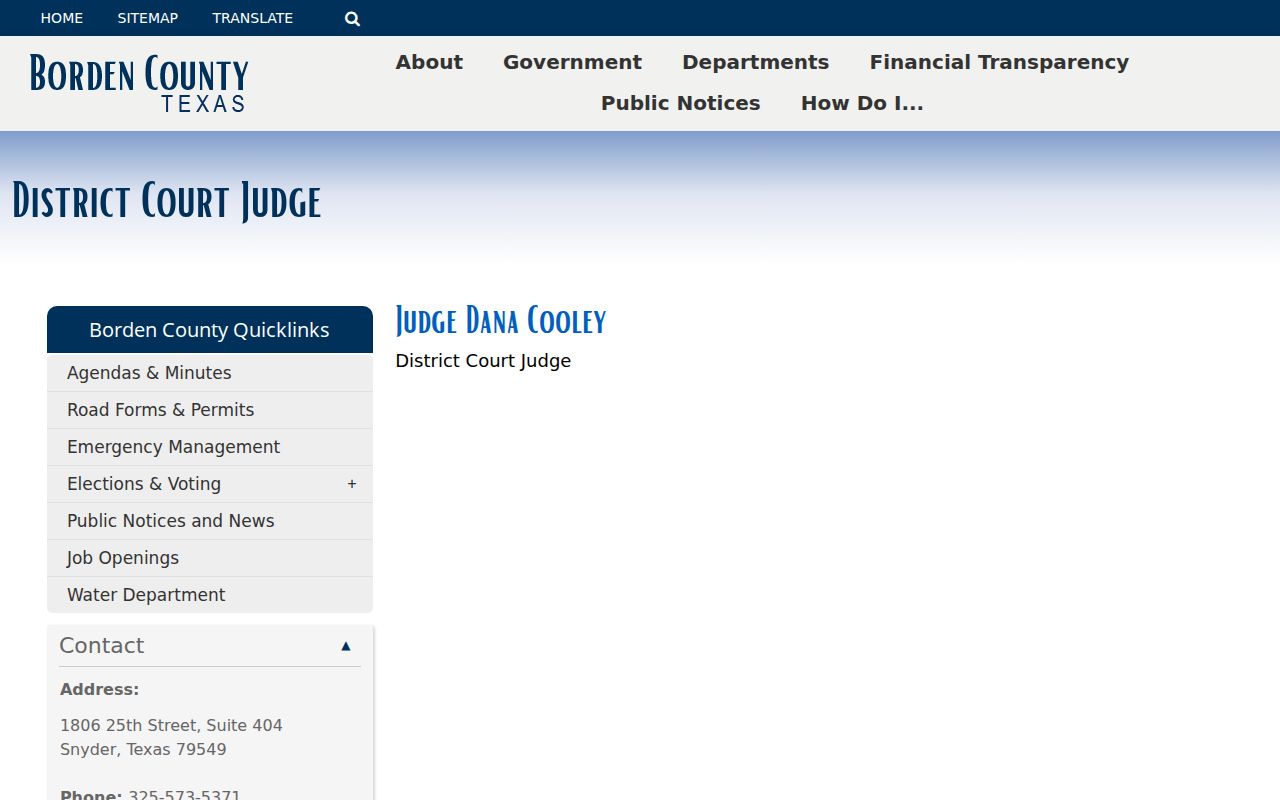
A district case may take a call to Snyder even while county offices stay in Gail, so plan Borden County trips around both towns.
How Borden County Arrest Warrants Are Served
The Borden County Sheriff's Office is the county law-enforcement contact. Its public page names no warrant unit. Nor does it assign every order to one serving agency. The JP may act as a magistrate, while the district court issues felony process. Ask which officer or agency appears on the record before assuming who holds it. Under Chapter 15, arrest occurs when a person is restrained or taken into custody. Article 15.23 allows execution any day, at any time. Borden County posts no booking, bond-window, or after-hours instructions. Call the issuing court or counsel about a safe next step instead of assuming a walk-in procedure.
Borden County Appeal Court Is Not a Warrant Desk
The Eleventh Court of Appeals serves Borden County. It hears qualifying appeals, though. It does not check a local active warrant or handle an initial arrest order. Start with the issuing trial court or Sheriff. The Eleventh Court of Appeals page explains the court's regional role across its district. Trial-level process belongs to the district and lower courts. The difference matters when a case has moved up on appeal, yet an older Borden County record still needs confirmation.
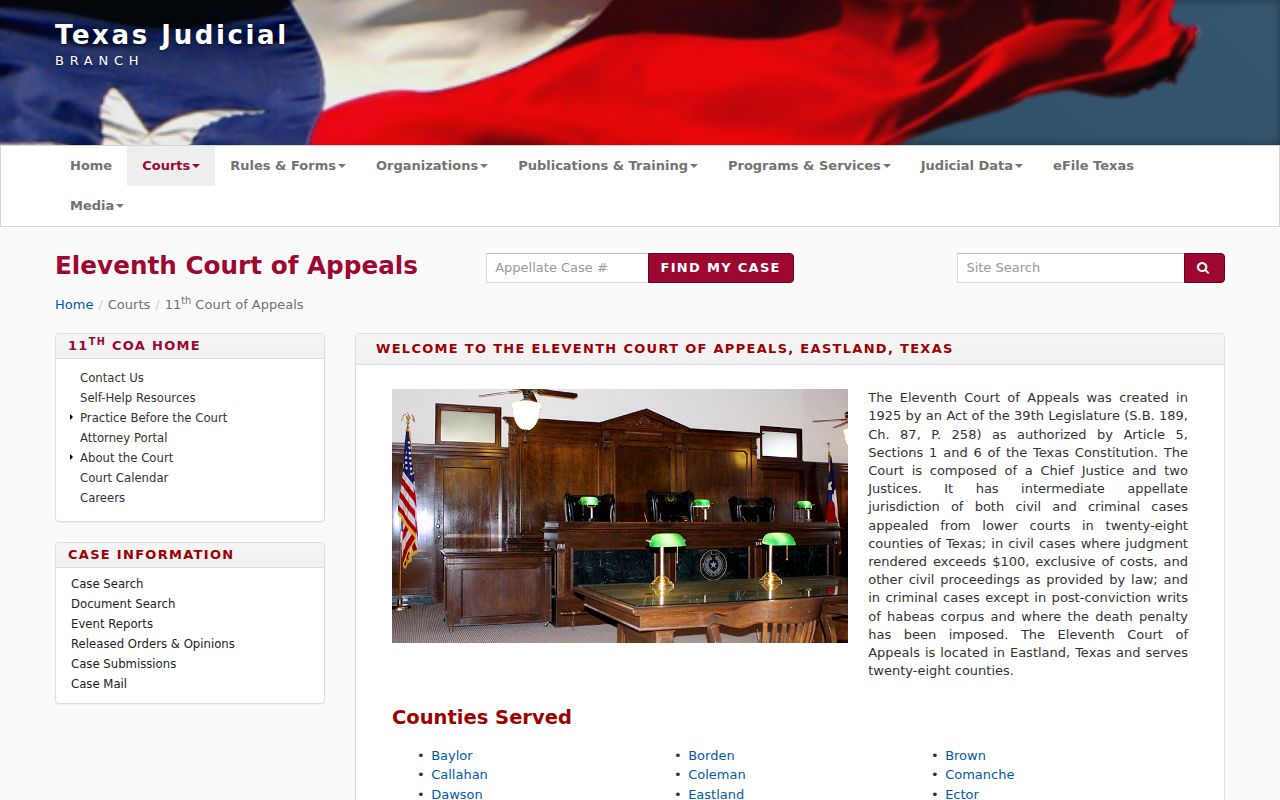
Appeal jurisdiction and warrant issuance are separate court functions.
Arrest Warrant vs Summons vs Bench Warrant
An arrest warrant directs an officer to take someone into custody. A summons orders an appearance instead. A bench-style warrant follows a missed court duty. Borden County does not publish the exact name on a record, so ask the issuing court to identify the process. See Borden County bench warrants for the missed-court route.
| Feature | Arrest Warrant | Summons | Bench Warrant |
|---|---|---|---|
| What It Orders | Officer to take a person into custody | Person to appear as directed | Court process after a missed duty |
| Basis | Probable cause or other authorized process | Notice and a court appearance requirement | Failure to appear or comply |
| Who Issues It | Judge or magistrate | Court or authorized officer | Judge in the existing case |
| How to Respond | Ask counsel and court about next steps | Attend as directed | Contact issuing court about appearance or recall |
Juvenile Warrant Records Are Restricted
Texas Family Code Section 58.010 makes arrest warrants for children confidential. The supporting complaint and affidavit stay restricted too. Only justice-system and authorized recipients may see them. That is a statutory boundary, not a missing county search result. No public list will show juvenile warrant details. The Family Code text explains the rule. Adult case access can still hinge on an active investigation or other law. Ask the Borden County clerk or Sheriff about the specific record, not another person's private details.
The statute sets a statewide limit on public access to a child’s warrant record.
Borden County Has No Serving-Agency Roster
Borden County publishes no list of agencies assigned to serve each warrant. The Sheriff page names no warrant commander, constable, or city police unit. A missing name online proves nothing about which officer holds process or whether it was executed. Ask the court which agency was directed to act, and whether a return has been filed. If the matter is federal or from another county, that jurisdiction controls its own status and recall process.
What to Do If There's a Warrant for You
Start by confirming the details with the issuing court: the cause number, the order type, and its current status. Ask what your options are. An appearance, a bond, a surrender arranged through counsel, or a motion to recall or quash may all be on the table. Borden County publishes no walk-through policy, bond schedule, jail address, or after-hours intake route, so do not assume the emergency-management address doubles as a warrant counter. A lawyer can call the court and sort out the right way to handle an arrest order instead of guessing at local procedure. If bond is allowed, ask where it is accepted and what type is permitted. Ask whether separate fees apply. Also ask whether posting bond only resolves custody or affects the underlying case too.
Important: If an arrest warrant may be active, speak with a Texas lawyer and the issuing court before traveling; no Borden walk-in policy is published.